

Can you describe yourself and the work that you do in your own words? My name is Philip Patterson. I am from Seattle. My mom was a graphic designer when I was a little kid. I grew up drawing a lot, writing graffiti, and skateboarding, and I just think that graphic design was all around me. I always liked it, and I was always doodling. Then I was a bartender for a long time, and when Covid hit, the bar closed. I started doing some gig posters... Then I used that to put together a portfolio and decided to go back to school. I was tired of being a bartender. Now, through Mark and the school, I got a job at the Seattle Kraken. I do a lot of different stuff for them. A lot of marketing materials, a lot of traditional sports graphic design, a lot of out-of-home stuff. And then in my own time, I do a lot of freelance illustration work for a company that makes merchandise and marketing assets for influencers.
What originally inspired you to join this program particularly, and then what did you hope to gain from the education here? I had known a few people who were a couple of years above me—somebody I went to kindergarten and high school with, and some people from the skateboard community. I had already had a four-year college degree and I didn’t want to take general education classes again. I liked the idea of a trade school-type situation, and it seemed like that. And going back to school for something as an adult with some sort of drive and I wasn't going there to party was really exciting... It was fun to buckle down, and I wanted to be a graphic designer. It just made a lot of sense.
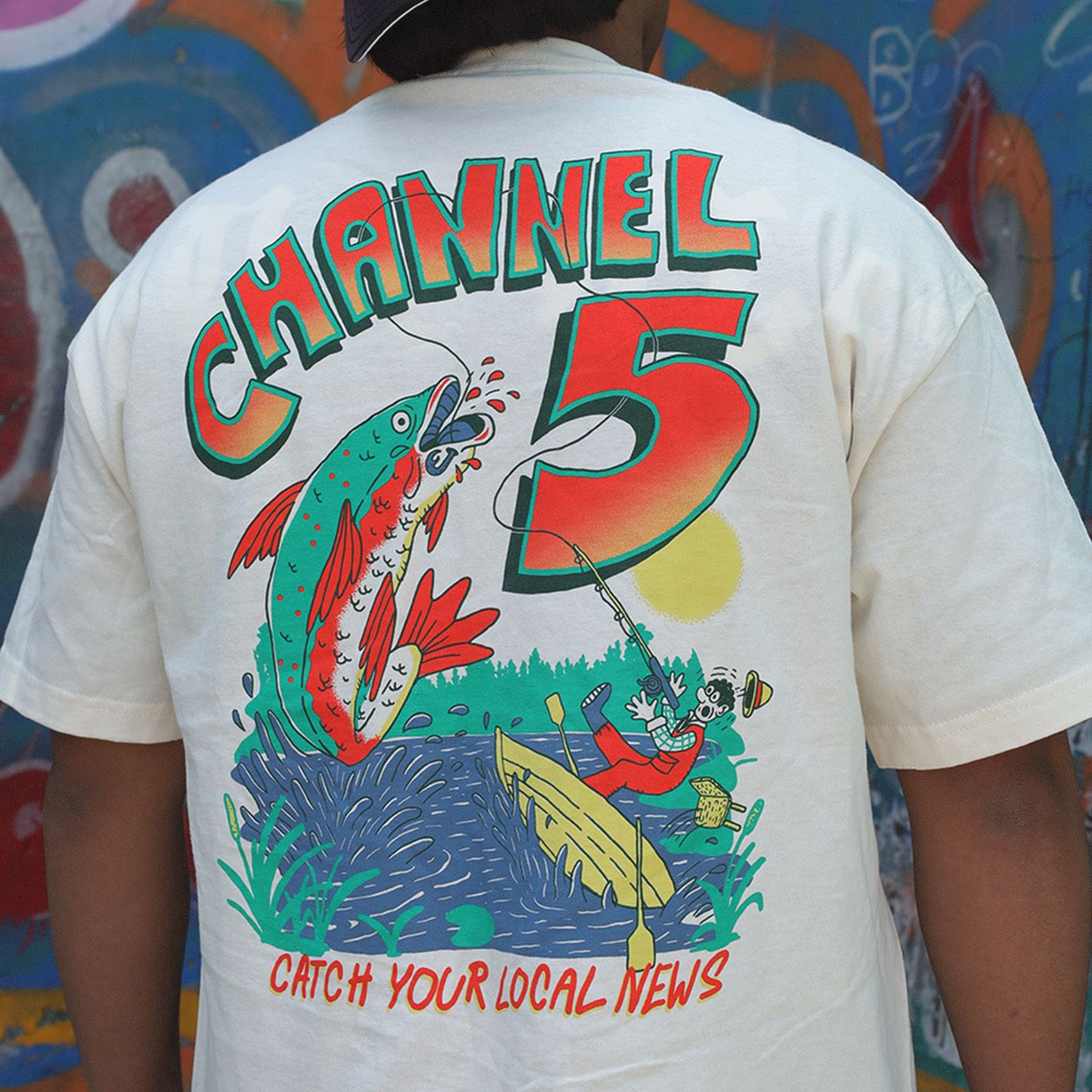
How does your education here influence the way that you work today, in terms of process, collaboration, creative thinking? Pretty much entirely. I think I took a little bit from every single teacher in terms of how my process looks now. I pretty much always start on paper. There was a time where I thought it was better to make your work as analog as possible, like an integrity thing. And then, people like Eric were like, "Make it easy on yourself." Like, solve the problem, think of it a little more as a job. I think for a while, everything that I made tied in a little too hard to my own personal identity. Most of the time when you’re designing—it’s not for you. The test of success is not how much you like it, it's how much it works and if the client accepts it.
And then you know, even tricks like turning your type upside down when you're kerning it, or choosing font pairings, little things. Also, being able to work with a bunch of different types of people who are into different things, like user experience or photographers... It helped me learn to work collaboratively and let go of your own vision.
Looking back, were there any specific projects, experiences, especially if they're tied to an instructor during your time that left a lasting impact on you and your practice? I think in terms of technical skill, I really remember making icons and stuff with Jason. It really bothers me now when things lack a certain consistency, like line weight or hot dogging the ends and stuff like that. In terms of problem-solving and motivation, Eric helped me a lot. And then technically, Jill really reinforces hierarchy. Classifying things in terms of where they land in the visual importance, I think, is a really easy and smart thing to fall back on.
That’s another one—presenting Eric definitely taught me how to sell and present my ideas, because that's a necessary component, which you don't really realize.
In your current role at Kraken, how do you present your ideas? What's that process like? Who are you presenting to? It depends. On a day-to-day basis, it's my boss [SCCA alumni] Drew, and the other graphic designer—there are pretty much just three of us. We are super tight, so we send each other stuff and we usually know how to make everyone happy and solve the issue.
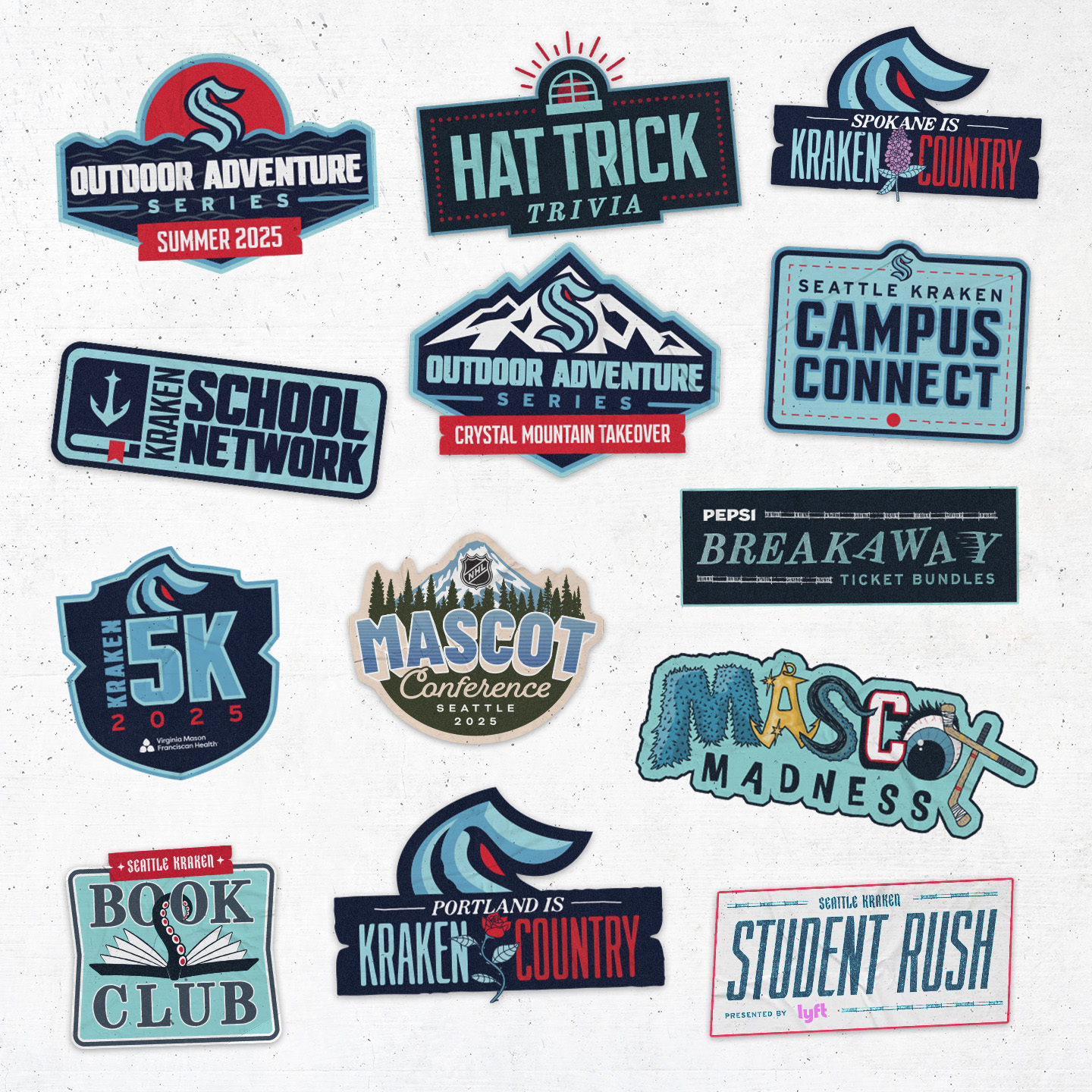
We have a Mascot Madness game, and I really wanted to rebrand it and make it fun. Because obviously it’s an opportunity to insert some weirdness and chaos. It's for kids, you know? And I just drew something on paper in a meeting, and it's cool to have people be open to those ideas. But I had to sell it in the meeting, and it turned out really cool. I'm super proud of how it turned out. So yes, it is helpful, but it definitely varies. It's not often I have a PowerPoint I'm presenting to a group of strangers. But knowing how to talk about it is helpful.
Was that a straight full-fledged illustration on paper, or a concept on a napkin? Closer to the napkin. I think another thing in terms of process and what I've learned from the teachers is not diving in too deep before something is approved. And also learning what level of detail will captivate people and make them understand what you're going for. I think that's an important thing to learn. You waste a lot of time, you know?
What kind of role did your cohort or the broader school community play in your growth as a professional? Do you still network with classmates or alumni? I still send illustration projects and stuff to a few of my classmates for feedback, and I still stay in touch with them. I think the healthy competition while you're in the program is pretty cool, and I remember seeing the second-year students, and I was like, “Holy shit, I'm never gonna do that.” And then you get there, and then you're like, “I'm never gonna do that.” I think that's a feeling that happens over and over, and it definitely helped accelerate that process, being in that program.
I definitely feel the perpetual imposter syndrome, you know? What did it take to do the next step to go from graduating to internship to job? I mean, I still feel that way, but all I do is graphic design. All I think about is graphic design. Just keeping at it and struggling, to be honest. But it's gotten a lot easier, for sure. I'm so much faster, it's an exponential growth. I can pump stuff out a lot faster and get to the next level faster at this point, you know?
What's the most challenging habit that you had to unlearn when you were in school? I came from a background of wanting to illustrate everything, and you don't have to do that. It takes a long time. And it doesn't necessarily mean it's better because it took a long time. And I still like drawing, and I like seeing other people's drawings, but you don't have to do everything
the hard way, you know? Also, it's okay to copy other things because usually you'll do it your own way and it won't even turn out the same. I think you can accept that two things can be true at once. I maybe don't like super cutesy stupid Apple Store kind of coffee things, but it doesn't mean that your client won’t. It doesn't have to be for you.
Have you had to do any work that's been the antithesis of what you're into? Like, have you had to make any design for an Apple Store coffee shop? No. Most of my freelance projects are through word of mouth or just 'cause I'm from here so I got a network, like a friend opening a pizza restaurant or something. But for the Kraken, yes. My first project there was an 85-page bid to bring some junior worlds hockey tournament to Kraken Community Iceplex in Northgate. Not that it’s the antithesis of what I stand for, but I had absolutely no interest. But I will say, you can always find ways to insert yourself into something... Yeah, it's good to make different things that aren't you, you know?
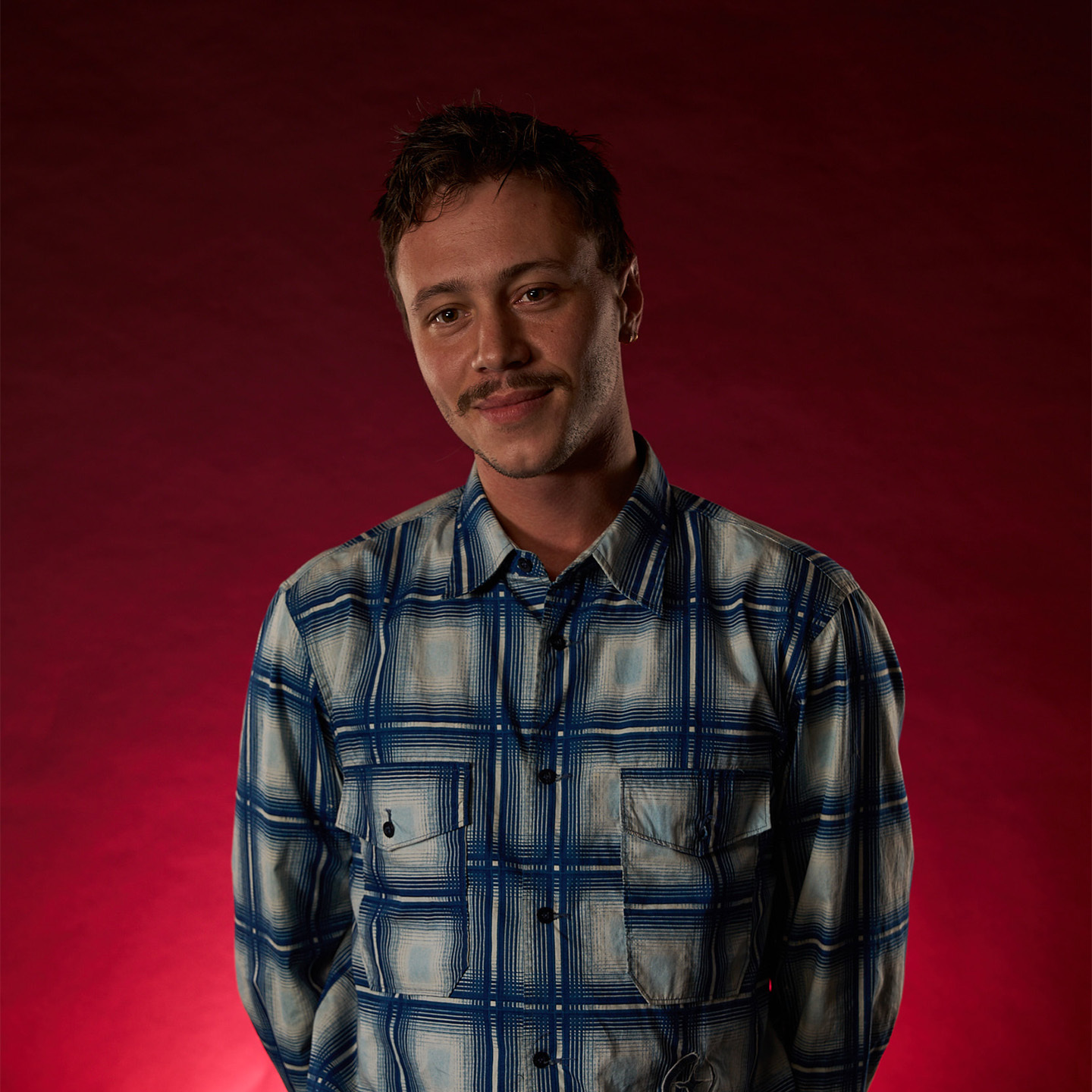
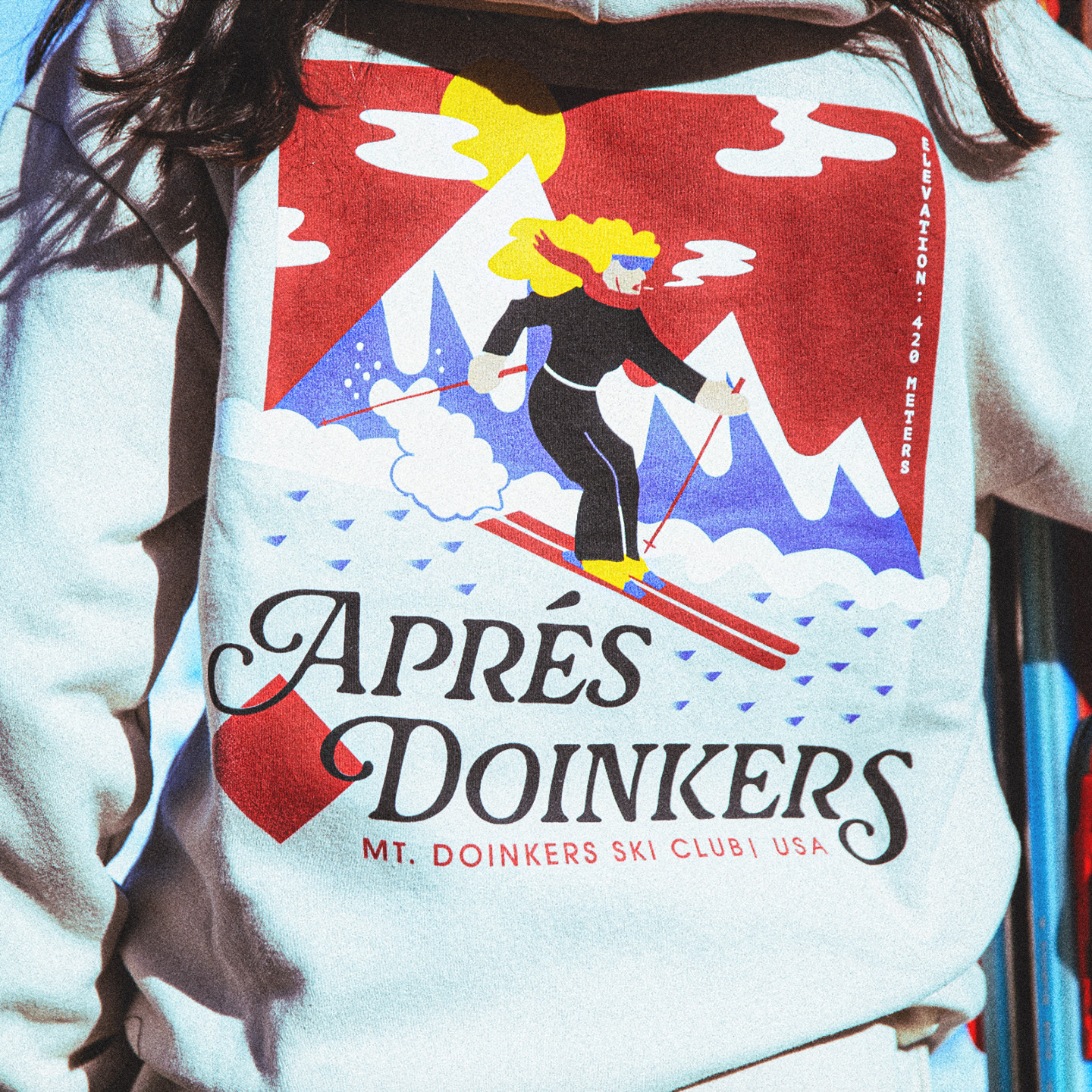
Can you tell us about your current or most recent role, what that day-to-day is like? And what are you doing at work that you're most excited by? My job title is graphic designer, or just designer. My day-to-day is actually not quite as cut and dry as you might think. I'm always working on graphic design projects, but there's the media day that we have to plan, and I help on photo shoots, and we review other work that's tied to the Kraken. And we have a streetwear collaboration with a company in Tacoma, so I'm driving down to Tacoma sometimes. We do outings that can inspire the look and feel for the brand, which is constantly changing every year. Although it is based around me being at a computer, my day-to-day is pretty up in the air. I would say the bulk of my job is about designing a look and feel for any given campaign or event or something. So sort of a smaller Kraken brand that lives under a larger umbrella but is still unique enough to fit in with its own stuff. And a lot of times that sort of trickles down into a lot more graphics that maybe other people will make. I like doing that stuff. I get really excited about developing the look and feel for the next season, which is what we're doing right now. It's a little more conceptual—we’re scanning weird old books and printing stuff out and messing with it. That stuff, I like that a lot. So that's probably what I'm most excited about. And then for freelance work, I like doing branding projects a lot.
Do you have advice you would offer to current students as a recent graduate? I have probably, to my detriment, never said no to any freelance project. Even when I was in school, I took every relative professional opportunity to make something and use my skills. I think that helped. It was cool to have professional projects on my portfolio coming out of school.
Can you describe yourself in three emojis, or what's your favorite three emojis? Can I look at my phone? The smiling purple devil. The one that's questioning, with the monocle. And then the one that's like a half face. That's probably the most commonly used work one.
Are you currently trying to pick up new skills to help your career or anything in that realm? Yeah, for sure. I actually have been reaching out to Jason, and he's been giving me some tips. But a lot of my job is once I make something cool, there's some production involved, like making so many different sizes or iterations of the same kind of thing. So I have been figuring out how to streamline that as much as possible and help myself and my team save time. I feel like I'm still learning a lot and improving fast, but if I was a little more stagnant, I would go 3D. Motion people make bank, I think I could get behind some Cinema 4D and Blender stuff.
Okay, last quick question. What is your stance on Comic Sans? There's no bad font, there's just an inappropriate use for it.
Alumni Profile
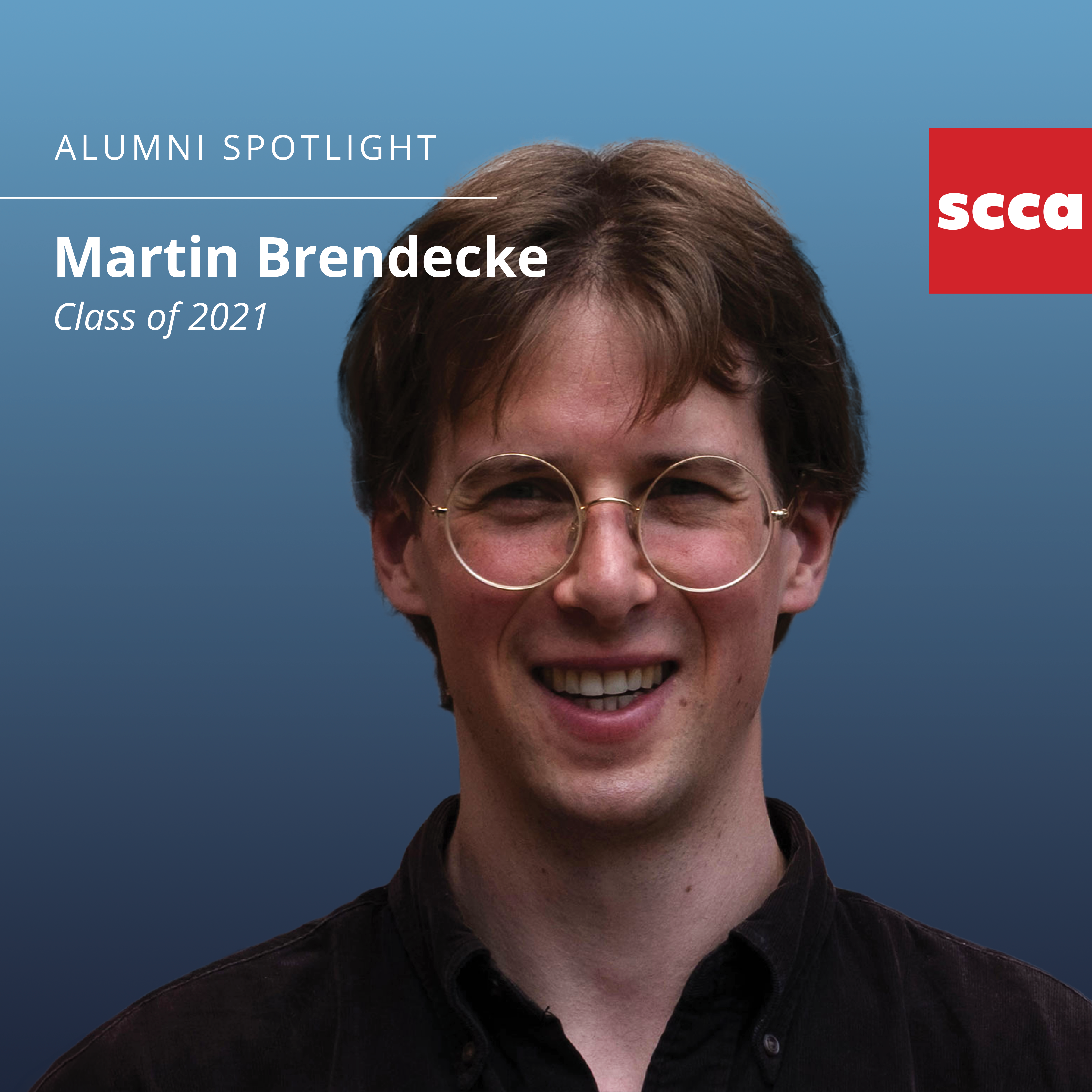
I’m Martin, and I’m a type designer. Right now, I’m getting a master’s degree at a small art school in France doing type design. I’m really enjoying the school I’m at. I like my work, I like my teachers, I like my colleagues, I like living in France. So I decided to stay for another year. But I’ll be back in the U.S next year.
Alumni Profile
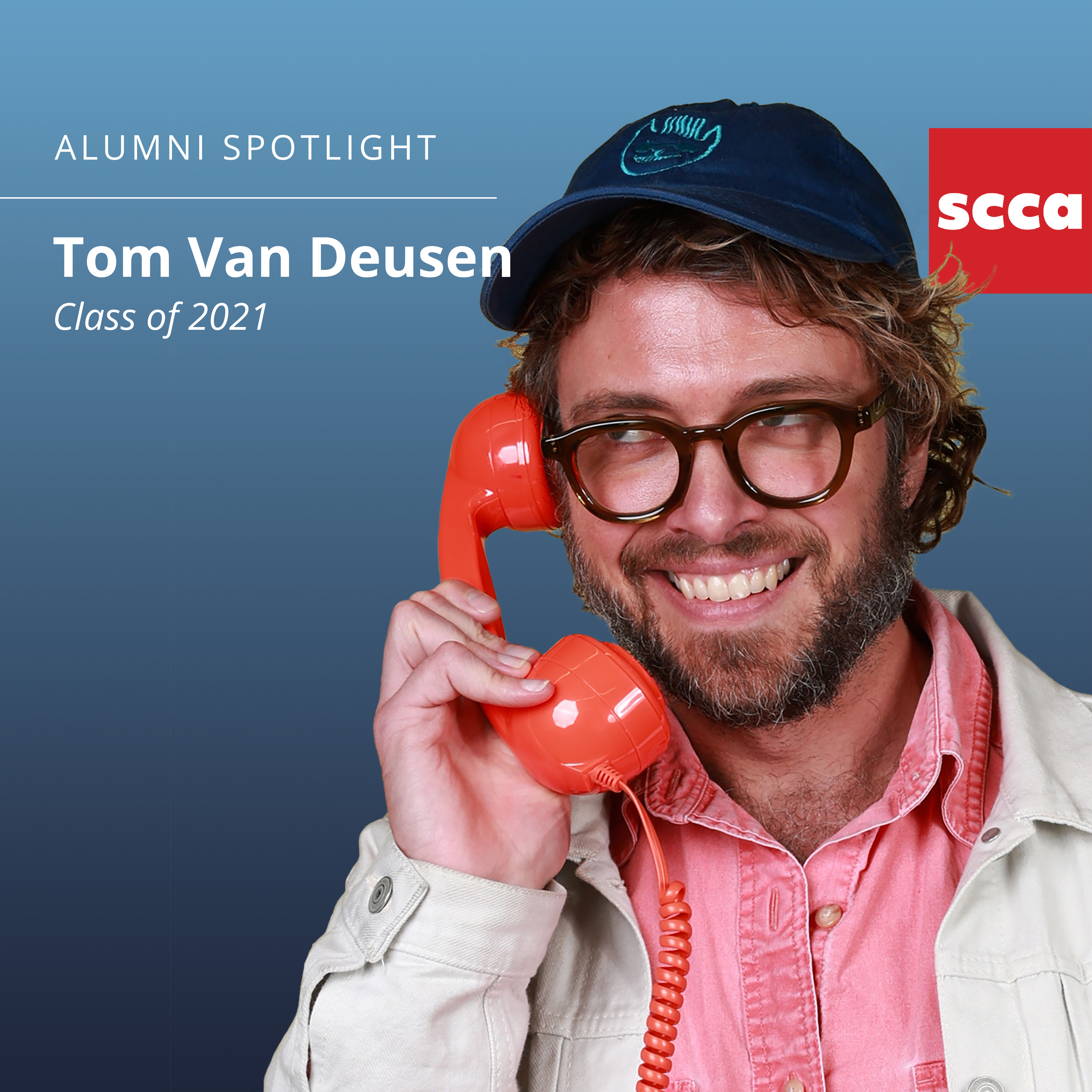
I wrote a lot of comic books. I was very involved with the Seattle comic scene. And I think that also was something, and I know a lot of cartoonists that went through the program and that really parlayed well with learning even UX like storyboarding and that type of thing, but also it's really useful to be able to visually display something. And so using those skills, using something I knew how to do.
Alumni Profile
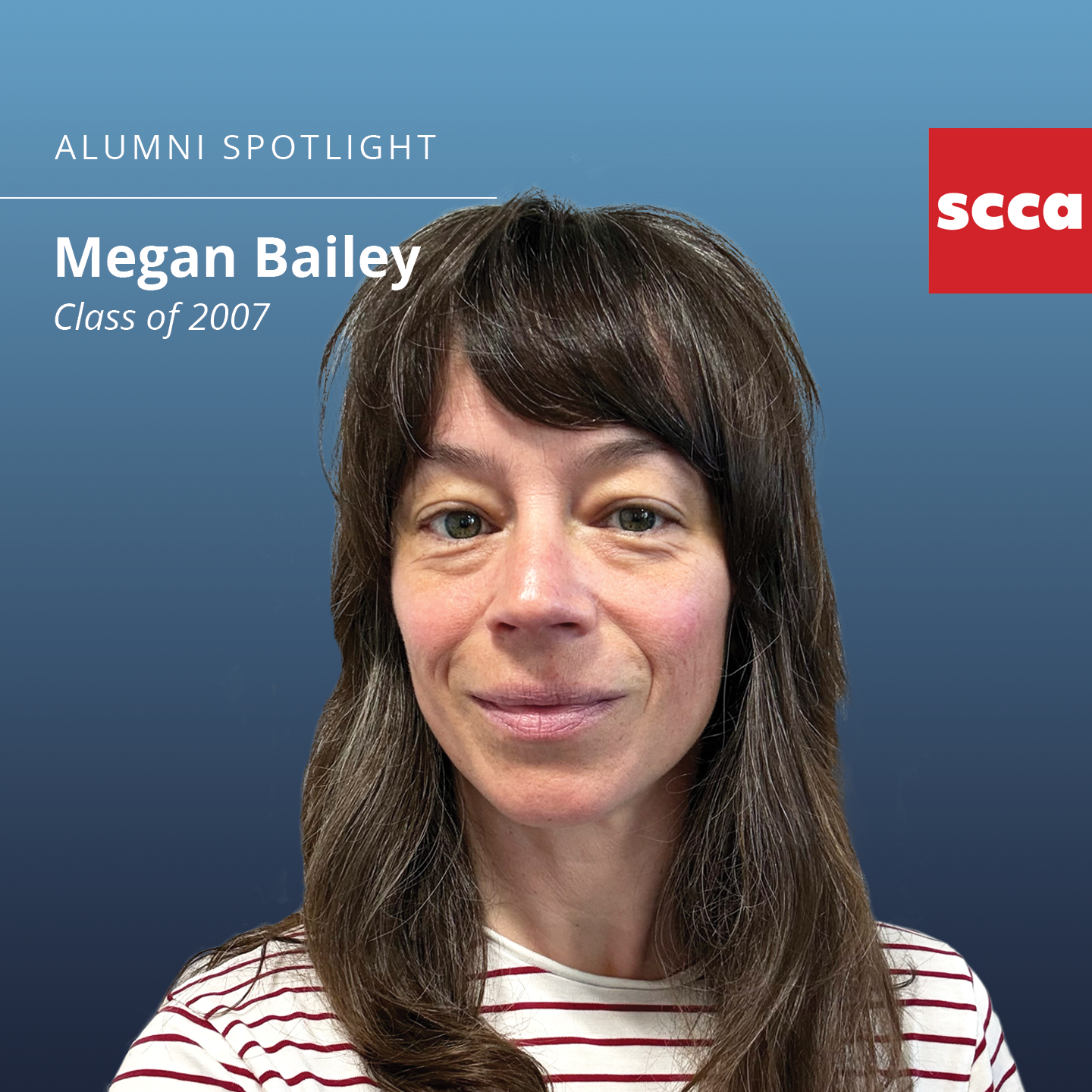
Megan is a 2007 Creative Academy graduate who runs her own graphic design business with her sister in Bellingham, Washington